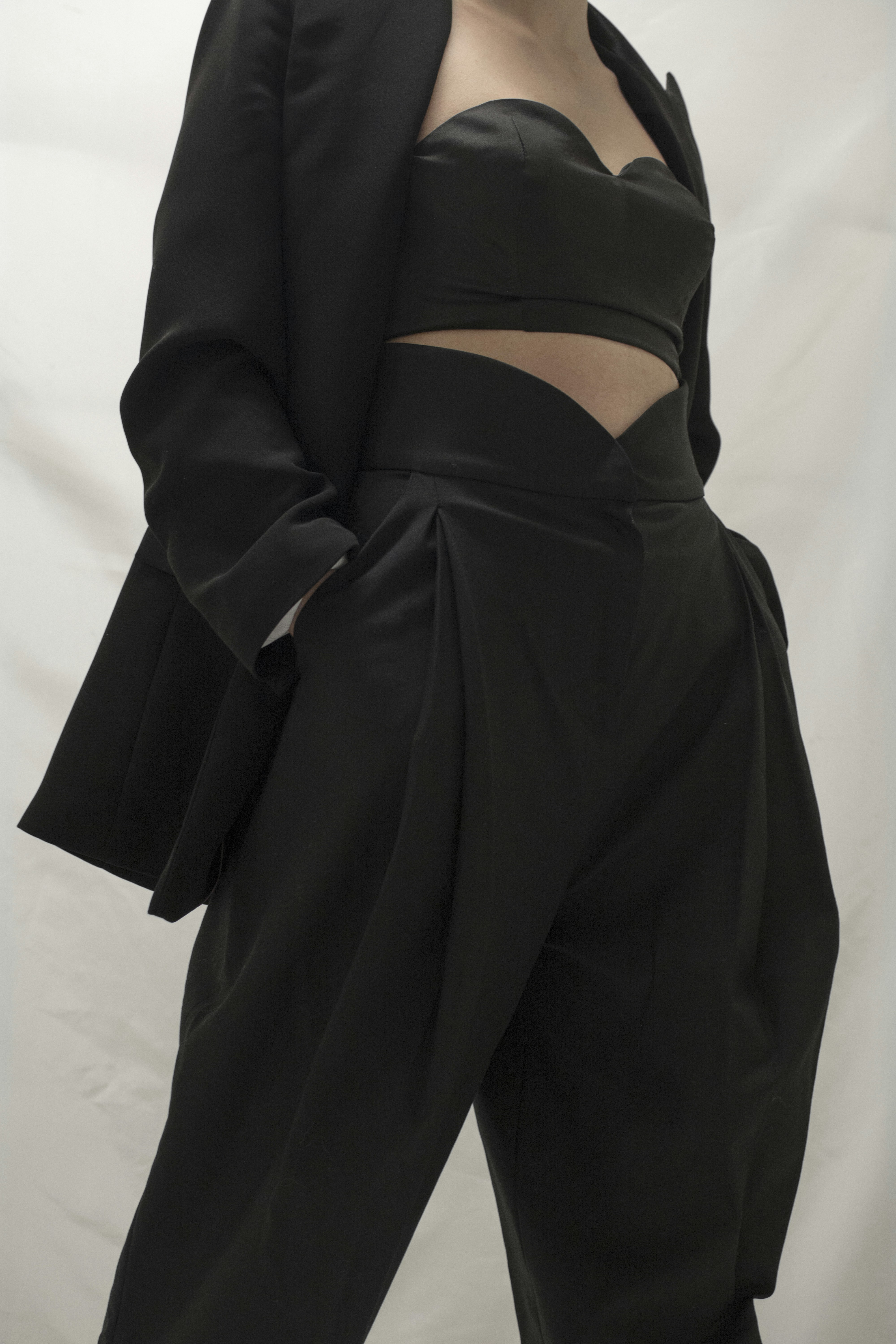
Understanding Intentional Dressing
Intentional dressing refers to the mindful approach individuals take when selecting their clothing and accessories. It emphasizes purpose and thoughtfulness in fashion choices, transforming what could be a routine task into an art form that elevates one’s overall appearance. This concept encourages individuals to consider not only the aesthetics of their outfits but also the message and emotions they wish to convey through their attire.
Cultivating an intentional style involves aligning clothing choices with one’s personal values, lifestyle, and the various roles they occupy in life. It is about dressing with purpose—whether that be for a professional setting, social event, or casual day. This alignment fosters self-expression, allowing individuals to represent their unique personality through their wardrobe. An intentional approach to dressing encourages exploration of different fabrics, colors, and styles that resonate with one’s inner self, rather than merely following fleeting trends or societal expectations.
Moreover, adopting an intentional dressing philosophy contributes significantly to boosting confidence. When a person feels that their clothing reflects their true self, it enhances their comfort level, allowing for a more authentic presence in various situations. People tend to be more assertive and self-assured when they wear outfits that truly resonate with their personality and intentions. This also aids in stimulating creativity, as selecting garments with a purpose sparks the imagination and broadens individual style horizons.
In conclusion, understanding intentional dressing goes beyond fashion; it is a powerful tool for self-identification and expression. By choosing outfits thoughtfully, individuals not only enhance their appearance but also convey their identity and values to the world, reinforcing their sense of self and confidence.
The Role of Color Coordination
Color coordination is a vital aspect of intentional dressing, influencing not only the aesthetic appeal of an outfit but also the message it conveys. Understanding color theory can significantly enhance an individual’s ability to curate outfits that are not only stylish but also harmonious. Color theory outlines the relationships between colors, including complementary, analogous, and triadic schemes, providing a foundational framework for making thoughtful choices in clothing selection.
In the context of seasonal palettes, each season presents a unique set of colors that evoke different moods and energies. For instance, spring tends to favor lighter, pastel tones while autumn often embraces richer, warmer hues. By aligning wardrobe choices with seasonal colors, one can create looks that feel timely and relevant. This approach not only helps in selecting appropriate clothing but also fosters a sense of connection with nature’s cycles.
The psychology of colors also plays an important role in how outfits are perceived. Colors can evoke emotions, influence mood, and even affect social interactions. For example, blue is often associated with calmness and professionalism, making it a popular choice for business attire, while red can convey passion and confidence, perfect for making a bold statement. Being mindful of the psychological impacts of color can help individuals curate outfits that align with their personal brand and the impression they wish to project.
To effectively mix and match colors, a few strategies can be employed. Start with a neutral base to serve as the foundation, allowing vibrant colors to stand out. Utilize color wheels to identify complementary shades and experiment with various combinations to gauge what resonates best. Ultimately, the goal is to create a cohesive look that reflects personal style while ensuring visual harmony. By mastering the art of color coordination, individuals can elevate their outfits and distinctly express themselves through their wardrobe choices.
Fabrics and Textures: Creating Depth
The choice of fabrics and textures is a fundamental aspect of intentional dressing, as it significantly influences both the aesthetic and emotional resonance of an outfit. The materials selected can convey a diverse range of moods, tailoring the impression one wishes to make in various settings. For instance, natural fabrics such as cotton and linen often evoke a sense of casual comfort, while synthetic materials like polyester and nylon may suggest a more modern or structured aesthetic. Wool, on the other hand, typically conveys warmth and sophistication, making it a popular choice for formal attire.
Additionally, the interplay of different textures can add depth and visual interest to any ensemble. Successfully layering various fabrics—such as combining a soft cashmere sweater with a crisp cotton shirt or pairing structured denim with a flowing chiffon blouse—creates an engaging contrast that enhances the overall look. Utilizing this technique allows one to achieve a multi-dimensional appearance that invites closer inspection and appreciation. It is essential, however, to consider the intended message of the outfit; for instance, mixing too many contrasting textures could lead to a chaotic appearance if not executed thoughtfully.
Moreover, understanding how different textures react to light can further enhance the sophistication of an outfit. Matte fabrics absorb light and result in a more subdued effect, while shiny materials reflect light and draw attention to specific areas of the body, which can be strategically utilized. When assembling an outfit, it is prudent to balance both matte and glossy textures to create a harmonious ensemble that effectively captures attention without overwhelming the viewer. Ultimately, intentional dressing is about thoughtful curation, and by focusing on fabrics and textures, individuals can refine their personal style and communicate their desired identity with confidence.
Accessories: The Power of the Right Details
Accessorizing is a crucial element of intentional dressing, as the right details can significantly transform an outfit from ordinary to extraordinary. Accessories, including jewelry, belts, bags, and hats, play a pivotal role in expressing personal style and enhancing an overall look. By carefully selecting and combining these items, one can elevate their attire while remaining true to their fashion identity.
Jewelry, for instance, serves as a powerful tool for accentuating features and adding visual interest. Statement pieces, such as oversized earrings or bold necklaces, can serve as focal points, drawing attention to one’s face and neckline. On the other hand, minimalist jewelry can provide a subtle elegance that complements sophisticated outfits without overwhelming them. It is important to strike a balance, ensuring that the accessories chosen align with the intended message of the overall ensemble.
Bags and belts also hold the potential to define the style of an outfit. A structured handbag can convey professionalism, making it a suitable choice for work-related events, whereas a slouchy tote may evoke a more casual and relaxed vibe. Likewise, a statement belt can highlight the waist and create a polished silhouette, while a simple leather option can provide a classic touch that remains timeless.
When it comes to hats, they can add an additional layer of flair and functionality to outfits. From fedoras to wide-brimmed hats, each style brings its unique character. Selecting the right hat not only protects against the elements but also serves as a statement accessory that completes the look.
Ultimately, the key to successful accessorizing lies in the intentional combination of pieces. By selecting accessories mindfully, one can enhance their outfit’s aesthetic appeal while expressing individuality and creativity.
Fit and Tailoring: The Foundation of Intentional Style
Fit and tailoring are often considered the cornerstone of intentional dressing, significantly influencing the overall perception of an outfit. Wearing clothing that fits well creates a polished appearance, enhancing one’s confidence and showcasing personal style. A well-fitted garment does not merely add aesthetic value; it communicates a clear message that the wearer pays attention to detail, which is integral to an intentional style.
To understand how fit affects clothing, it is crucial to recognize the difference between off-the-rack and tailored pieces. Off-the-rack clothing may not fit every body type perfectly due to variations in proportions. Tailoring, therefore, becomes an essential tool to achieve a customized look. A tailored outfit conforms to the unique shape of the body, highlighting positive features while discreetly minimizing less flattering areas. This attention to detail fosters a sense of professionalism, which can be particularly advantageous in formal settings.
When assessing fit, several key areas merit close observation: the shoulders should align with the natural shoulder line, the waist should be cinched without pulling, and the length of sleeves and pants should create a harmonious silhouette. A good rule of thumb is to aim for a relaxed fit that allows for movement without appearing baggy. If the clothing feels restrictive or oversized in any area, it may be time to seek alterations. Professionals can adjust hems, tighten waistlines, or even reshape shoulder seams to achieve the desired fit.
Incorporating custom tailoring into one’s wardrobe is a significant step toward elevating an outfit’s appearance. It reflects an investment in style, signaling to others that the wearer takes their appearance seriously. Thus, focusing on fit and tailoring is a fundamental aspect of intentional dressing that should not be overlooked.
Footwear: The Final Touch
Footwear plays a pivotal role in the realm of intentional dressing, serving as the final piece that can either elevate or detract from an outfit. The right pair of shoes can transform a simple ensemble into a statement look, while an inappropriate choice can undermine the effort put into curating one’s attire. It is crucial to consider how shoes affect the overall vibe of an outfit, as they can convey different messages and suit various occasions.
For instance, a classic pair of loafers can elevate a tailored suit, projecting professionalism and attention to detail. Conversely, opting for casual sneakers with the same outfit might suggest a relaxed demeanor, highlighting the importance of selecting shoes that align with the intended message of the attire. Each shoe style carries its own distinct personality, influencing how the outfit is received by others.
Comfort should also be at the forefront when selecting footwear. After all, even the most stylish shoes can detract from confidence if they cause discomfort. Therefore, it is advisable to invest in quality footwear that strikes a balance between style and comfort. This balance is particularly relevant for those who spend extended hours on their feet, such as professionals attending long meetings or events.
In addition to comfort, pay attention to the harmony between footwear and clothing. For evening events, elegant heels or polished dress shoes elevate the sophistication level, while casual outings may call for stylish flats or trendy boots. Matching the shoe style with the occasion is essential to achieve an intentional look. A mindful approach to footwear ensures an outfit’s completion, enhancing not only appearance but also confidence, ultimately embodying the essence of intentional dressing.
Layering Techniques for Intentional Style
Layering is an essential skill in the realm of intentional dressing, allowing individuals to create outfits that are not only visually appealing but also functional and versatile. Mastering the art of layering involves carefully combining various garments, which can enhance both style and comfort. Understanding the principles behind effective layering can elevate any wardrobe and promote a more polished appearance.
One fundamental technique in layering is the choice of materials. Selecting fabrics with differing weights is crucial. Begin with a lightweight base layer, such as a fitted t-shirt or a breathable blouse, which serves as the foundation of the outfit. Over this, you can add mid-layers like cardigans or vests that provide warmth without overwhelming the look. Finally, an outer layer, such as a structured coat or a stylish jacket, can complete the ensemble, adding sophistication and protecting against the elements. This thoughtful approach ensures each layer complements the others while allowing for easy removal as temperatures fluctuate.
Another vital aspect of effective layering is color coordination. It is advisable to select a harmonious color palette that provides contrast and visual interest without clashing. Neutral shades are often ideal as they can be paired with various colors for a chic and intentional look. Incorporating patterns and textures can also add depth to your outfit, but it is essential to balance these elements to maintain a cohesive appearance.
Lastly, consider the functionality of each layer. Choose pieces that allow ease of movement and comfort, as layering should not compromise practicality. Thoughtfully combining silhouettes can create a flattering shape while reflecting personal style. In conclusion, mastering the techniques of layering enables individuals to navigate the world of intentional dressing skillfully, enhancing their look while maintaining comfort and versatility.
Personal Style: Infusing Individuality
Personal style is an essential element in the art of intentional dressing, providing a means for individuals to express their unique identity while elevating their overall outfit. Embracing one’s distinctive traits, preferences, and inspirations can significantly influence how one approaches fashion and wardrobe choices. A commitment to authenticity enables individuals to select clothing and accessories that resonate with their core values and reflect their personality.
To craft a truly intentional outfit, it is crucial to begin by examining personal tastes and influences. This can include favorite colors, patterns, and silhouettes, as well as cultural inspirations and historical references that inform one’s style. By identifying these elements, individuals can create a cohesive and individualized wardrobe that enhances their daily dressing experience. Furthermore, this self-awareness contributes to confidence, allowing wearers to embrace their outfits with pride, which is perhaps the most important aspect of intentional dressing.
Moreover, personal style is not confined to one’s current wardrobe; it evolves over time as experiences and circumstances change. Engaging with fashion allows individuals to adapt their looks and experiment with new ideas while remaining true to themselves. This exploration can be invigorating and can foster growth in both style and self-expression. It is also beneficial to take note of fashion icons and influencers who resonate on a personal level, as they can serve as sources of inspiration and motivation for developing an authentic style.
Ultimately, intentional dressing is about more than just clothing—it’s a powerful form of self-expression. By infusing individuality into each outfit, individuals can confidently navigate their world while making a bold statement about who they are. Embracing the journey of personal style is paramount, as it not only enhances one’s appearance but also enriches the overall experience of dressing each day.
Putting It All Together: Tips for Intentional Dressing
Curating an intentional wardrobe requires thoughtful planning and mindful execution. To start, assess your current clothing collection. Conduct a wardrobe audit to determine which pieces align with your personal style and meet your lifestyle needs. Organize garments by category, such as formal wear, casual outfits, and seasonal items, to easily identify gaps in your wardrobe.
Next, consider the principles of intentional dressing when shopping. Before making any purchases, ask yourself if the item aligns with your style goals and fits into multiple outfit combinations. Prioritize quality over quantity. Investing in versatile, high-quality pieces will result in a more cohesive and functional wardrobe. Aim to select items that can transition seamlessly from day to night or from one season to another.
Create a shopping list that reflects your identified needs, ensuring you do not succumb to impulse purchases. Stick to your list to promote intentionality in your buying choices. When shopping, seek out classic styles and neutral colors, as these can be more easily integrated into various outfits.
Moreover, plan your outfits ahead of time. A weekly outfit preparation routine can alleviate decision fatigue and foster intentional dressing. Set aside time each week to map out outfits for different occasions, ensuring you’ve considered the context, weather, and your scheduled activities. This process will not only streamline your mornings but also encourage creativity in pairing pieces.
Lastly, cultivate the habit of mindfulness in your daily attire. Reflect on how certain pieces make you feel and the message you wish to convey through your clothing. Embrace intentional dressing by consistently evaluating your choices and adapting your wardrobe as your style evolves. Implementing these strategies will enhance your overall dressing experience and elevate your personal style, ensuring you always look and feel your best.